Watch from to 4:29 to 5:17 for the double ripple interference pattern
–
This is what the water waves in a ripple tank looks like.
–
–
–
Category: 10 Superposition
Watch from to 4:29 to 5:17 for the double ripple interference pattern
–
This is what the water waves in a ripple tank looks like.
–
–
–
Formation of Standing Wave
See how the rightward traveling red wave superposes with the leftward traveling blue wave to result in a standing wave.
–
Standing Wave vs Travelling Wave
Neighbouring points of a traveling wave have the same amplitude but different phase. But point in the same loop of a standing wave have different amplitude but same phase.
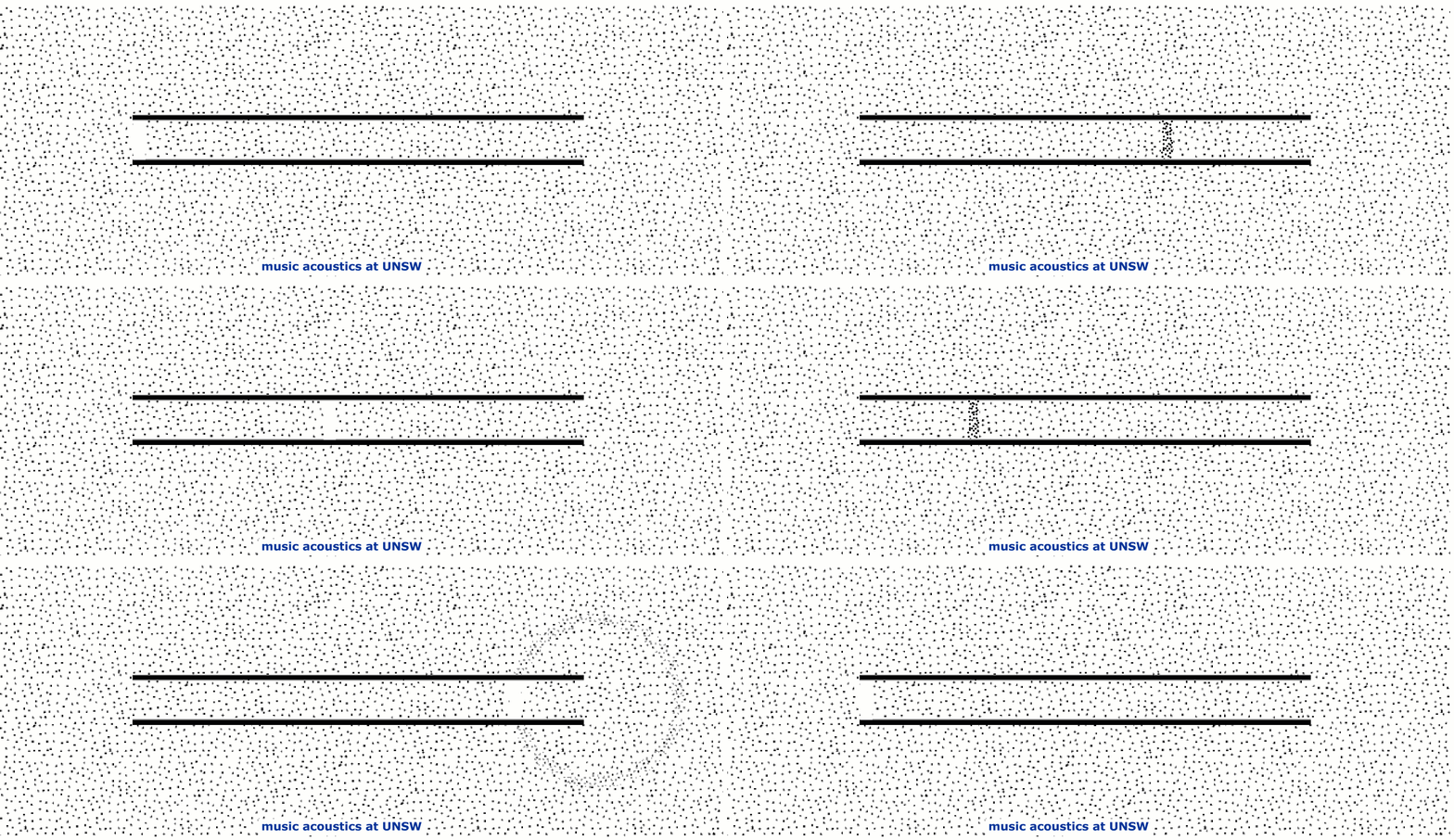
Sealed pipe.

–
Open Pipe
–
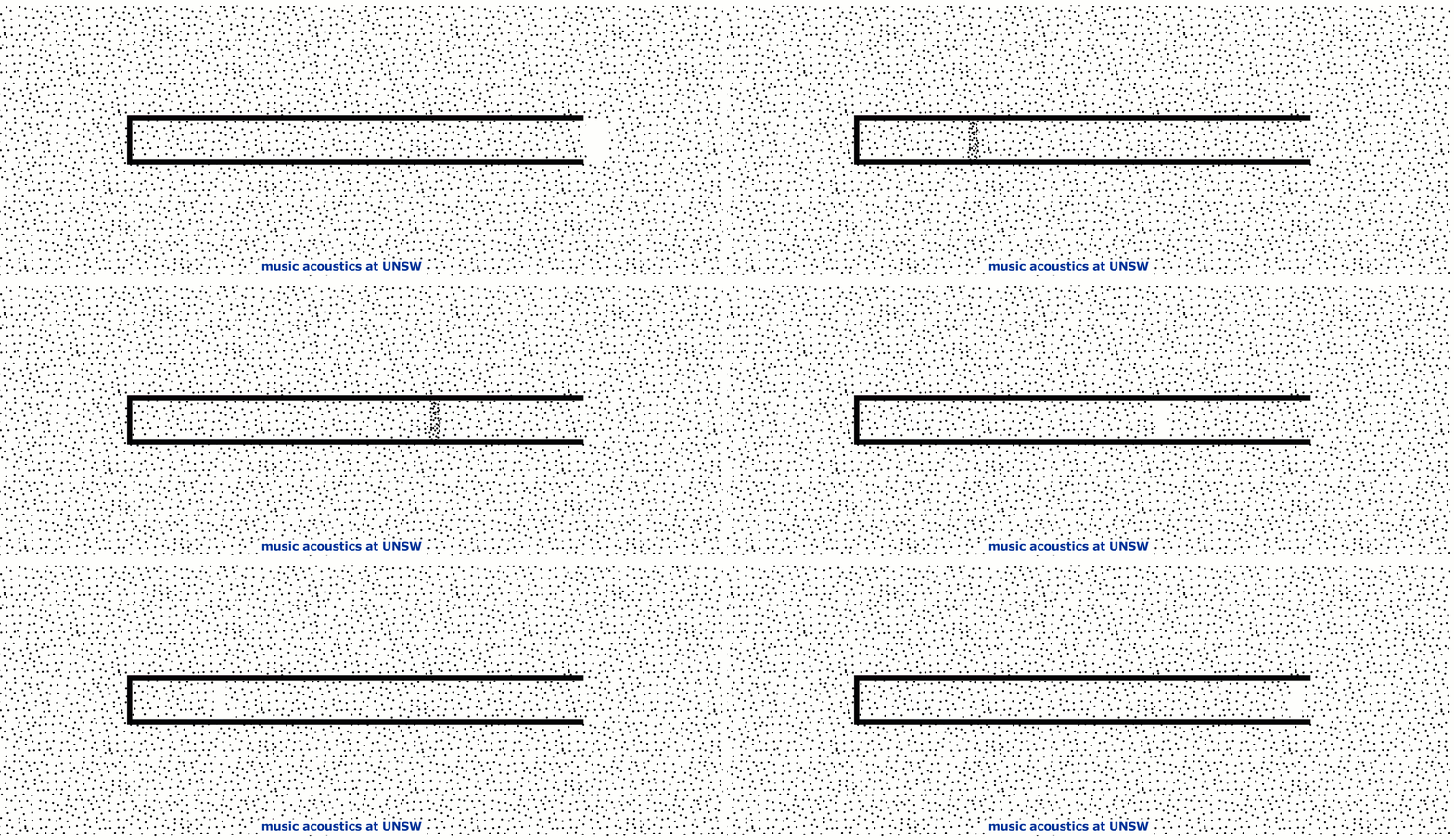
Closed Pipe
Can you differentiate between the sounds of sinusoidal, saw-tooth and square waves? Only the sinusoidal wave is monotonic. It truly consists of one single pitch. The saw-tooth and square waves are actually the superposition of many sinusoidal waves of different frequencies. So they contains higher harmonics on top of the fundamental. While they all sound like the same pitch to us, they also sound different because of the different (amplitudes) of the harmonics they contain.
–
The sound produced by the guitar (string) and the recorder (open pipe) are also not monotonic. It takes a bit of imagination to realize that the standing waves formed on the string and the air in the pipe actually consists of many frequencies at the same time. But that’s what allows the sound produced by different instruments to have different timbres.
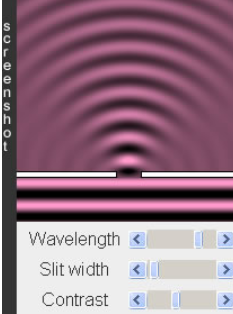
For are a few applets for you to play with
🍏 Slit: http://ngsir.netfirms.com/englishhtm/Diffraction.htm
🍏 Obstacle: http://ngsir.netfirms.com/englishhtm/Diffraction2.htm
🍏 Corner: http://ngsir.netfirms.com/englishhtm/Diffraction3.htm
Interference of light waves become observable when we have narrow slit separation. Surprisingly, nature provides us with many natural double slits and gratings.
–

Those shimmering colours you see reflected off a thin layer of oil is a double-slit interference pattern. The light reflected off the top surface and the light reflected off the bottom layer (total internal reflection) interfere with each other.
–
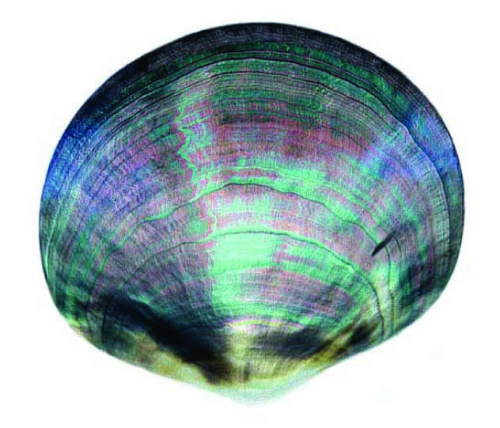
Some shells are iridescent. Thanks to regularly spaced surface grooves. The light reflected off the grooves act as regularly spaced light sources.
–
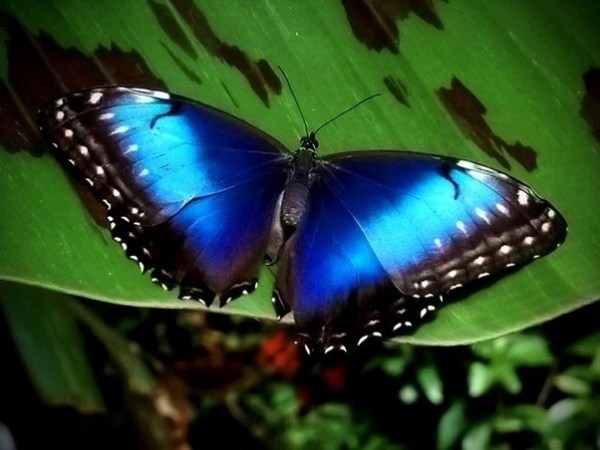
Butterflies too. Thanks to the regularly spaced scale structure on their wings.
–

Compact discs, are man made objects of course. It has regularly spaced and finely packed grooves, which produces spectacular interference patterns.
What is the purpose of the single slit in the Young’s Double Slit experiment?

Click here for the animation.


 xmPhysics